Replacing old pipes demands a systematic approach: assess materials, conditions, and layout; select compatible materials and methods; and ensure code compliance. The plan should define scope, permits, and budget, with licensed professionals engaged. In execution, isolate the system, remove aged components, and install replacements with secure connections and pressure testing. Post-install tests and documentation follow, along with maintenance guidance. The path hinges on careful upfront decisions, leaving a clear question to probe next steps and practical implications.
What to Know Before You Replace Old Pipes
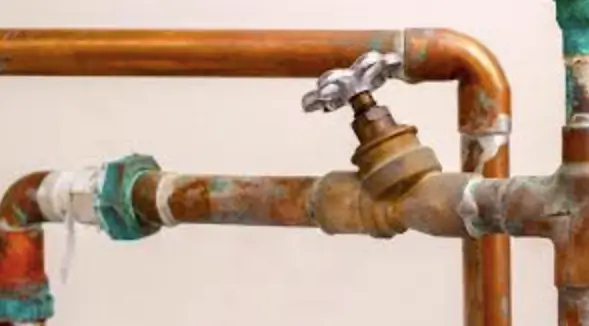
Before replacing old pipes, it is essential to assess the system holistically: identify which piping materials are present, determine their estimated service life, and document the observed conditions, including corrosion, leaks, or prior repairs.
The evaluation should map old corrosion areas and assess how pipe layout influences accessibility, future maintenance, and potential disruption.
This baseline guides a targeted, informed replacement strategy.
Choosing Materials and Methods for Your Home
Selecting appropriate pipe materials and installation methods requires a structured assessment of performance needs, code requirements, and system hydraulics. The analysis favors objective criteria over trend, balancing ductility, corrosion resistance, pressure ratings, and lifecycle cost. Old pipe myths are counterproductive; material longevity depends on correct application, joint integrity, and maintenance. Method selections emphasize compatibility with existing infrastructure and future accessibility.
See also: The Rise of Ransomware Attacks Worldwide
Planning, Permits, and Hiring The Right Pro
Effective project initiation requires a structured approach to regulatory compliance, scope definition, and contractor selection. The section outlines planning permits, timelines, and budget controls, emphasizing documentation and due diligence.
It profiles objective criteria for hiring pro candidates, clarifying licensure, insurance, and references. It stresses transparent communication, contract terms, and scope alignment, ensuring risk minimization and accountability throughout the procurement phase.
How the Replacement Process Unfolds and What to Expect
The replacement process proceeds in clearly defined phases after contractor engagement and permit validation. In sequence, assessment identifies pipe corrosion and material suitability, followed by planning, system isolation, and orderly shutoff procedures. Execution covers removal, replacement, and connection without disruption to essential services. Post-install tests confirm integrity; documentation completes handover. DIY risks are mitigated by qualified oversight and adherence to codes, ensuring durable, safe operation.
Conclusion
In the end, the old system stands juxtaposed with the new: risk vs. reliability, uncertainty vs. clarity. The plan, once abstract, becomes concrete steps—assess, materialize, execute, verify. A licensed professional replaces aging components with compliant, tested connections, yet the homeowner remains a steward, documenting results and budgeting for maintenance. Precision meets practicality: a durable, code-compliant network that documents every choice, every test, every handover, and every future safeguard against unexpected disruption.